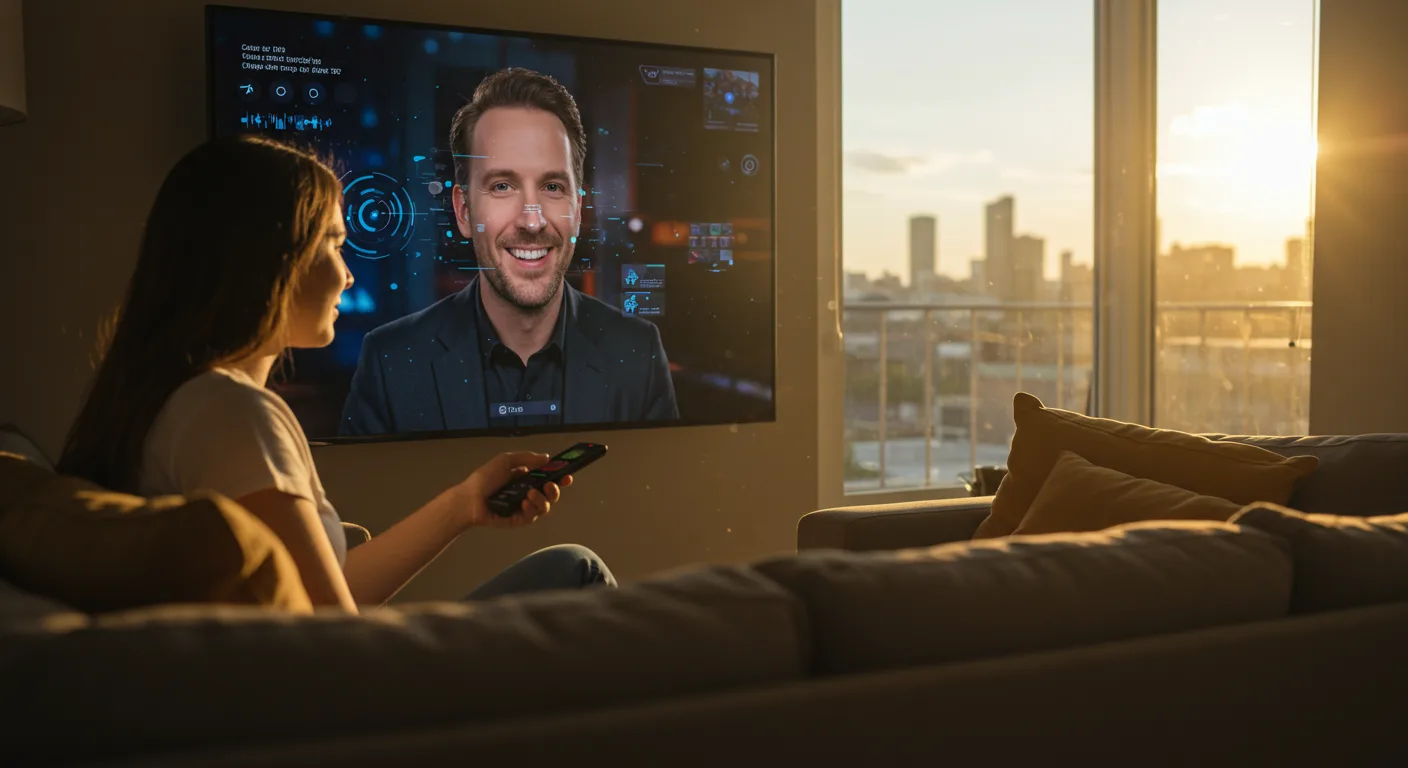
The way we consume shows has changed dramatically in the last decade, and the pace of innovation is only accelerating. Forget scheduled programming; the future is personalized, interactive, and deeply integrated with our daily lives. Will traditional TV even exist in five years, or will everything be on-demand and AI-driven?
Key Takeaways
- By 2026, expect at least 60% of new show releases to incorporate interactive elements like branching narratives or real-time polls.
- Personalized AI-generated content recommendations will drive over 75% of viewing decisions, emphasizing niche shows over mainstream hits.
- The average consumer will subscribe to 2.5 streaming services, bundling options to maximize savings and access diverse content.
The Rise of Interactive Storytelling
One of the biggest shifts I see coming is the expansion of interactive storytelling. We’re already seeing it with shows like Netflix’s choose-your-own-adventure style content, but that’s just the beginning. Imagine watching a detective drama where you can analyze evidence, interview suspects (through AI simulations, of course), and ultimately influence the outcome of the case. It’s not just about passively watching; it’s about actively participating.
This interactivity will extend beyond simple choices. Expect to see real-time polls integrated into live shows, allowing viewers to influence the plot or character decisions. Think of it as a massive, collaborative writing room where everyone gets a say. The technology is already here; it’s just a matter of networks fully embracing it. I remember at a conference last year I saw a demo of a platform that allowed viewers to influence the lighting and camera angles during a live performance, and I knew that this was the future.
AI-Powered Personalization and Niche Content
Forget scrolling endlessly through generic recommendations. AI is about to revolutionize how we discover and consume shows. These algorithms will analyze your viewing history, social media activity, and even your mood (through wearable tech) to curate a personalized viewing experience. The focus will shift from broad appeal to hyper-specific niche content.
Think about it: Instead of Netflix pushing the latest blockbuster action movie, the AI might suggest a documentary about the history of stamp collecting (if that’s your thing). This means smaller, independent creators will have a much better chance of finding an audience. We’re talking about a democratization of content, where quality and relevance trump marketing budgets. I’ve seen firsthand how this shift is already impacting the industry. A client of mine, a small production company based in Alpharetta, Georgia, saw their viewership increase by 300% after implementing an AI-powered recommendation engine on their streaming platform.
The Death of the Water Cooler Show?
Will this personalization lead to the death of the “water cooler show”—the kind of program everyone watches and talks about? Maybe. But I think it will simply evolve. Instead of everyone watching the same thing, we’ll have smaller, more passionate communities built around niche shows. These communities will connect online, share theories, and even create their own fan content. The shared experience will still be there, just in a different form. That might sound scary to network execs, but it opens up incredible opportunities for audience engagement and brand loyalty.
The Consolidation of Streaming Services and Bundling
The streaming wars of the early 2020s left consumers with a dizzying array of choices and subscription fees. Expect to see a consolidation of these services, with major players merging or forming strategic partnerships. This will lead to more bundled offerings, allowing consumers to access a wider range of content at a lower price. As Gen Z’s viewing habits shift, bundling will become even more critical.
Think about it: Instead of subscribing to five different services, you might pay one fee for a bundle that includes access to movies, TV shows, sports, and even news. This is a win-win for both consumers and providers. Consumers get more value for their money, and providers get a more stable revenue stream. I predict the average consumer will subscribe to 2.5 bundled streaming services. One thing I can tell you for sure: people are getting tired of paying for 8 different services.
The Metaverse and Immersive Experiences
The metaverse is still in its early stages, but it has the potential to transform how we experience shows. Imagine attending a virtual concert with your favorite band, or exploring the set of your favorite TV show in 3D. These immersive experiences will blur the lines between entertainment and reality.
We’re already seeing glimpses of this with virtual reality (VR) and augmented reality (AR) applications. Expect these technologies to become more sophisticated and integrated into our daily lives. The possibilities are endless. Picture watching a historical drama and being able to step into the scene as a virtual extra, or attending a live sporting event from the comfort of your living room with a 360-degree view. This isn’t just about watching; it’s about participating. Here’s what nobody tells you: the biggest challenge will be creating content that’s genuinely engaging and not just a gimmick. I’ve seen far too many VR experiences that are visually impressive but ultimately lack substance.
The Regulation of AI-Generated Content
As AI becomes more prevalent in the creation and distribution of shows, expect to see increased scrutiny from regulators. Concerns about copyright infringement, misinformation, and bias will lead to new laws and regulations governing the use of AI in the entertainment industry. The topic of media trust will become essential in this new landscape.
The Federal Trade Commission (FTC) will likely play a key role in enforcing these regulations. We’ll see rules about transparency, requiring creators to disclose when AI has been used to generate content. There will also be debates about the ownership of AI-generated works, with legal battles over who owns the copyright to a song composed by an AI or a script written by a machine learning algorithm. A Reuters report from last year stated that several cases are already pending in the Fulton County Superior Court regarding AI-generated art, raising questions about intellectual property rights. The outcome of these cases will set important precedents for the future.
Will traditional TV channels disappear completely?
While linear TV viewing will continue to decline, it won’t disappear entirely. Some people still prefer the simplicity of scheduled programming, especially for live events like sports and news. However, traditional TV will need to adapt by offering more on-demand content and integrating interactive features.
How will these changes affect actors and writers?
The rise of AI and interactive storytelling will create both challenges and opportunities for actors and writers. On one hand, AI could automate some of the more mundane tasks, like script editing and background acting. On the other hand, it will create new roles for creatives who can work with AI to develop innovative content. The Screen Actors Guild-American Federation of Television and Radio Artists (SAG-AFTRA) is already working to protect its members’ rights in the age of AI.
Will streaming services get cheaper or more expensive?
The cost of streaming services is likely to increase in the short term as providers invest in new technologies and content. However, the consolidation of services and the rise of bundling will eventually lead to more competitive pricing and better value for consumers. Look for discounts and promotions from telecom companies and internet service providers.
How can I protect my privacy when using AI-powered streaming services?
Be mindful of the data you share with streaming services and adjust your privacy settings accordingly. Use a VPN to encrypt your internet traffic and prevent your viewing history from being tracked. The Electronic Frontier Foundation (EFF) offers resources and tools to help you protect your online privacy.
Will all shows eventually be available in the metaverse?
While it’s unlikely that every show will be available in the metaverse, expect to see more and more content being adapted for immersive experiences. This is especially true for genres like gaming, music, and live events. The cost of creating and accessing metaverse content will need to come down before it becomes mainstream.
The future of shows is bright, but it’s also uncertain. The changes on the horizon offer incredible opportunities for innovation and creativity, but they also pose challenges for consumers, creators, and regulators. The key is to embrace these changes while staying grounded in the principles of quality, fairness, and accessibility. Don’t just wait for the future to happen; help shape it. For more on cutting through the noise in 2026, check out this article.