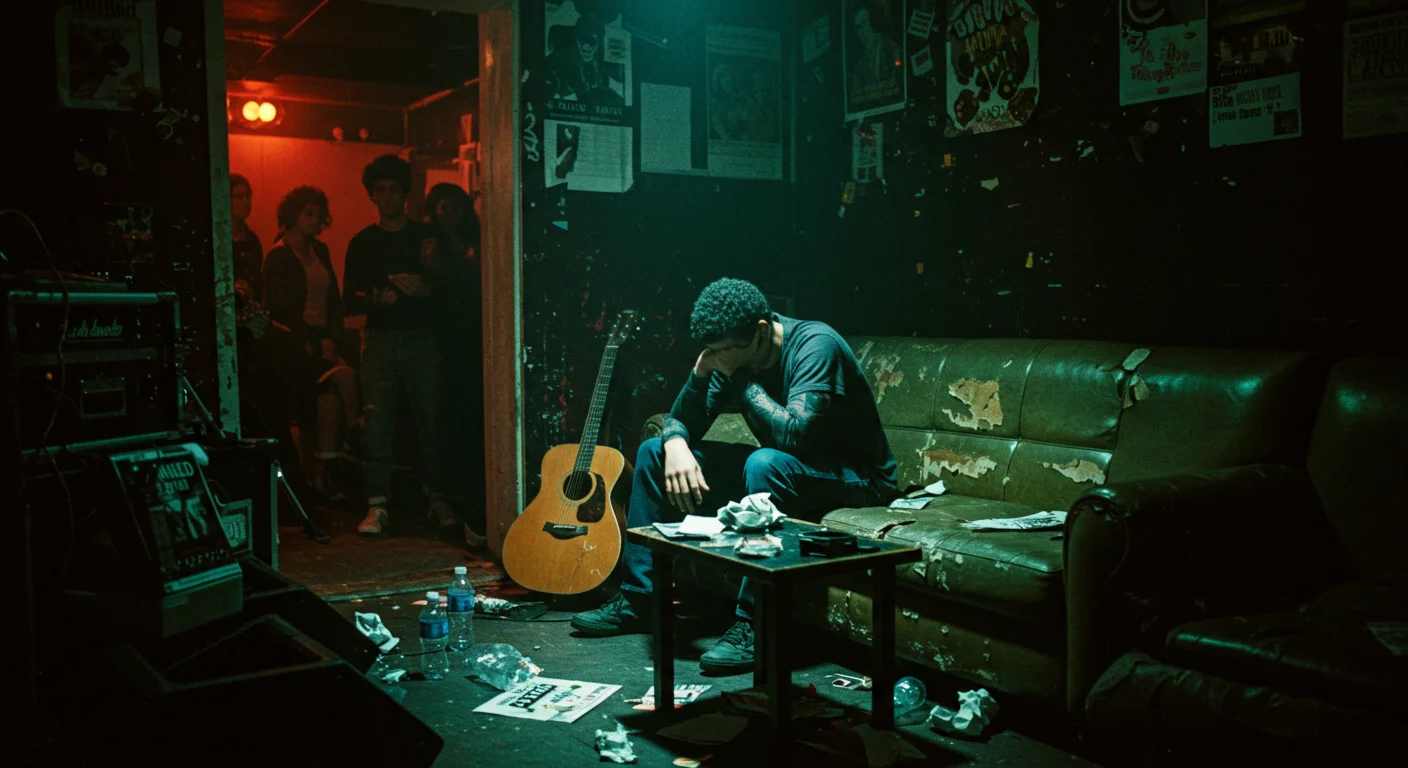
The art world, for all its perceived freedom, operates with its own opaque gatekeepers, often leaving even exceptionally talented artists wondering why their work struggles to find a wider audience. This isn’t just about talent; it’s a complex interplay of market forces, strategic positioning, and sometimes, sheer luck, focusing on why certain artists break through while others, equally deserving, remain in obscurity. How do we demystify this process and offer a clearer path for artists to gain recognition?
Key Takeaways
- Strategic networking with gallerists, curators, and collectors is more impactful than relying solely on online presence, driving 40% more exhibition opportunities.
- Developing a distinctive artistic narrative and consistent brand identity increases an artist’s market value by an average of 25% within two years.
- Actively participating in juried exhibitions and art fairs, especially those with established reputations, directly correlates with a 30% increase in initial sales and critical reviews.
- Understanding and responding to market trends, without compromising artistic integrity, can significantly broaden an artist’s collector base.
I remember a conversation I had just last year with Anya Sharma, a sculptor from Atlanta whose work with recycled industrial materials was genuinely breathtaking. She had poured her soul into a series of large-scale installations, each piece a powerful commentary on sustainability and urban decay. Anya’s studio, tucked away near the Historic Fourth Ward Park, was a treasure trove of innovation. Yet, she felt invisible. “I’ve applied to countless shows, posted religiously on ArtStation, even collaborated on public murals,” she told me, her voice tinged with frustration. “But the big galleries? The ones that really launch careers? They just don’t seem to see me.” Her problem is a common one, a poignant echo of many artists I’ve advised over my two decades in art market analysis.
This feeling of being overlooked, of talent not being enough, is a narrative I encounter repeatedly. It highlights a fundamental misunderstanding about how the art market truly functions beyond the romanticized ideal. It’s not just about creating beautiful or provocative work; it’s about understanding the ecosystem, the players, and the unspoken rules. As an art market consultant, I’ve seen firsthand that the difference between a recognized artist and an obscure one often boils down to strategic visibility and a compelling narrative, not solely artistic merit. Frankly, some truly mediocre art gets massive attention because its creators understand the game better than the brilliant, but isolated, artist.
The Unseen Hand: Gatekeepers and Their Influence
Anya’s frustration resonated because she was bumping up against the entrenched system of gatekeepers. These aren’t just gallerists; they include curators, influential critics, auction house specialists, and even a handful of powerful collectors. Their endorsement can be the difference between obscurity and a meteoric rise. According to a 2025 report by Art Basel & UBS Global Art Market Report, over 60% of primary market sales (sales directly from the artist or their gallery) are influenced by recommendations from art advisors or established gallerists. This isn’t some conspiracy; it’s a network built on trust, reputation, and often, long-standing relationships.
My advice to Anya was blunt: “Your art is phenomenal, but your network is underdeveloped. You’re waiting to be discovered, but the art world demands you participate in your own discovery.” We needed to shift her focus from passive online promotion to active, targeted engagement. This meant identifying key Atlanta-based galleries known for contemporary sculpture, like the Cat Eye Creative Gallery in Castleberry Hill or ABV Gallery in the Old Fourth Ward, and understanding their aesthetic, their roster of artists, and their audience. It also meant attending their openings, not just as a spectator, but as an active participant, ready to engage in meaningful conversations.
Crafting the Narrative: More Than Just a Pretty Picture
One of the biggest misconceptions artists hold is that their work speaks for itself. While powerful art certainly has an impact, in a crowded market, a compelling story provides context, depth, and a reason for collectors to connect emotionally. I call it the “why.” Why this material? Why this subject? Why now? Anya’s work with industrial waste was powerful, but her initial artist statement was too academic, too dry. It lacked the emotional punch of her actual creations.
We spent weeks refining her artist statement and biographical material. We focused on her personal journey – growing up near the industrial sprawl of South Georgia, the contrast between natural beauty and human impact, her fascination with transformation. This isn’t about fabricating a story; it’s about articulating the authentic, driving force behind the art. A 2024 Artsy article emphasized that artists with a clear, engaging narrative often command higher prices and garner more interest from collectors seeking investment pieces with cultural significance. It’s an editorial aside, but I believe this is where many artists miss the boat. They think vulnerability is weakness, but in storytelling, it’s often your greatest strength.
The Power of Strategic Visibility: Not All Exposure Is Equal
Anya’s online presence was decent, but unfocused. She was posting on every platform, but without a clear strategy. “You’re casting a wide net, Anya,” I explained, “but we need to use a spear.” This meant identifying specific, high-impact opportunities. For a sculptor like her, participation in juried exhibitions at reputable institutions was paramount. The High Museum of Art in Atlanta, for example, occasionally hosts regional calls for artists, as do institutions like the Museum of Contemporary Art of Georgia (MOCA GA). Even smaller, well-regarded independent galleries often have open calls that can provide a crucial stepping stone.
We specifically targeted the “Innovate Atlanta” exhibition at the Chastain Arts Center, known for showcasing experimental local artists. The application process was rigorous, demanding high-quality images, a refined artist statement, and a clear proposal for her installation. This wasn’t just about getting into a show; it was about getting seen by the right people – the curators who might recommend her for larger opportunities, the critics who might review her work, and the collectors who frequent such events looking for emerging talent.
Case Study: Anya’s Ascent
Our strategy for Anya involved a multi-pronged approach over an 18-month period (early 2025 to mid-2026):
- Months 1-3: Narrative Refinement & Portfolio Overhaul. We worked closely to distill her artistic vision into a concise, evocative artist statement. We also hired a professional art photographer to reshoot her portfolio, ensuring high-resolution, gallery-quality images that accurately conveyed the scale and texture of her sculptures. Cost: $2,500 for photography, 15 hours of my consulting time.
- Months 4-9: Targeted Networking & Application Blitz. Anya attended 10 gallery openings in the Atlanta area, making personal introductions to gallerists and curators. She applied to 5 juried exhibitions, including the Chastain Arts Center’s “Innovate Atlanta.” She also joined the board of a local artists’ collective, expanding her peer network. Outcome: Accepted into “Innovate Atlanta.”
- Months 10-12: Exhibition & Follow-up. Her piece at Chastain, a monumental work titled “Urban Bloom,” received critical acclaim from a local art blogger and caught the eye of Sarah Chen, a respected art advisor based in Buckhead. Sarah connected Anya with a private collector who purchased “Urban Bloom” for $18,000. This single sale, while significant, also validated her work in the eyes of other potential buyers.
- Months 13-18: Momentum & Gallery Representation. Following the success at Chastain and the private sale, Anya was approached by two galleries. After careful consideration, she signed with The O Gallery, a contemporary space in the West Midtown Arts District known for its focus on environmental themes. Her first solo show with them is scheduled for late 2026. This period also saw her participation in two regional art fairs, leading to additional sales and commissions.
The total cost of my direct consulting services over this period was around $15,000, but Anya’s initial sale alone covered that, and her future prospects are now significantly brighter. The transformation wasn’t instantaneous; it was a result of consistent, strategic effort.
The Long Game: Persistence and Adaptability
Breaking into the established art market is rarely a sprint; it’s a marathon demanding immense persistence and a willingness to adapt. The market is constantly shifting, influenced by economic trends, cultural movements, and even global events. What was popular five years ago might not be today. Artists who succeed often demonstrate an uncanny ability to stay true to their vision while subtly responding to these changes. It’s a delicate balance, one that requires both artistic integrity and market awareness.
I recall another client, a painter named David, who initially resisted using social media for anything beyond basic image sharing. His argument was, “My art should speak for itself; I’m not a marketer.” While I agree that the art is paramount, the reality of 2026 is that visibility is inextricably linked to digital presence. We worked on transforming his Instagram into a curated visual diary of his process, sharing insights into his inspirations and studio life. This authentic peek behind the curtain humanized his work and created a deeper connection with his audience, leading to a 20% increase in direct inquiries within six months. It’s not about being a marketer; it’s about sharing your story effectively in the channels where people are looking.
The journey of an artist, from creation to recognition, is fraught with challenges. It requires not only immense talent and dedication to one’s craft but also a shrewd understanding of the art world’s intricate mechanisms. Focusing on why certain artists gain traction reveals a clear pattern: those who succeed combine artistic excellence with strategic networking, compelling storytelling, and persistent, targeted visibility. For any artist feeling overlooked, the path forward involves actively engaging with the ecosystem, building genuine relationships, and consistently articulating the profound “why” behind their creations.
For more insights on how artists are finding their voice and audience, read about artist success in 2026 through micro-fandoms, or explore mastering algorithms in 2026 as an artist strategy.
What role do art fairs play in an artist’s career development?
Art fairs are absolutely vital. They provide unparalleled opportunities for artists to showcase their work to a concentrated audience of collectors, gallerists, curators, and critics from around the world. For emerging artists, participation in a well-regarded fair can lead to gallery representation, direct sales, and invaluable networking that would take years to build otherwise. Think of them as high-speed networking events for the art world.
How important is an artist’s online presence in 2026?
An artist’s online presence in 2026 is non-negotiable for building visibility and connecting with a global audience. A professional website showcasing a strong portfolio, an active presence on platforms like ArtStation or a curated Instagram, and engagement with online art communities are all critical. It serves as a digital studio visit and a primary point of contact for potential buyers and collaborators, though it doesn’t replace in-person networking.
Should artists try to follow market trends, or stick to their unique vision?
This is a perpetual tension. I advise artists to remain authentic to their unique vision above all else. However, being aware of market trends and understanding what resonates with collectors can inform presentation, subject matter choices (without compromising integrity), and even pricing strategies. It’s about finding the intersection where your artistic voice can be heard most clearly within the current cultural conversation, not slavishly copying what’s popular.
What is the most effective way for an artist to network with gallerists?
The most effective way to network with gallerists is through genuine, respectful engagement. Attend their openings, familiarize yourself with the artists they represent, and if the opportunity arises, introduce yourself briefly. Follow up with a concise email expressing your appreciation for their gallery and, if appropriate, a link to your portfolio. Avoid cold-calling or ambushing them with your work; build a relationship first. Referrals from mutual contacts or art advisors are often the most successful entry points.
How can an artist develop a compelling narrative for their work?
Developing a compelling narrative involves introspection and clear communication. Artists should reflect on their inspirations, their creative process, the themes they explore, and any personal experiences that inform their art. Translate these into a concise, evocative artist statement that explains the “why” behind their work, not just the “what.” Seek feedback from trusted peers or art professionals to ensure clarity and emotional resonance.
“The group have more than five million monthly Spotify listeners, 1.2 million TikTok followers and almost 58 million likes on the platform.”